About
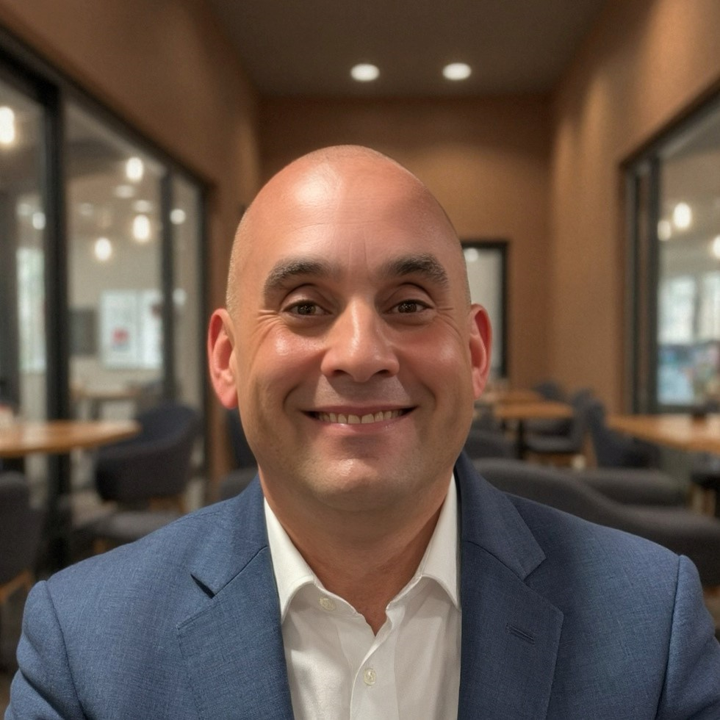
Chris Seigel, MA, LPC ● Founder
Chris Seigel is a behavioral health executive who works with leadership teams to operationalize artificial intelligence in real clinical and operational environments. His focus is not on tools alone, but on how AI is integrated into decision-making, governance, and day-to-day workflows in ways that hold up under regulatory, financial, and clinical pressure.
His work with AI is grounded in operational reality, not theory. He works with organizations to define how AI integrates into decision-making, governance, and day-to-day workflows, ensuring that adoption is structured, responsible, and aligned with regulatory and clinical expectations. His approach emphasizes clarity, accountability, and sustainability, positioning AI as a core capability rather than a disconnected set of tools.
As a Chief Program Officer, he has overseen large-scale operations spanning community-based services, school-based programs, residential care, and integrated treatment models, with responsibility for clinical quality, regulatory compliance, workforce development, and strategic growth. His work has required balancing clinical integrity, financial performance, and operational execution across complex systems of care.
What separates Chris is a clear understanding that there is often a gap between what should work in theory and what actually works in practice. His experience operating within these environments allows him to navigate that gap, ensuring that strategy, governance, and implementation are grounded in the realities of clinical care, workforce constraints, and regulatory environments.
How I Work
My Philosophy
Artificial intelligence has the potential to fundamentally transform behavioral health. It can expand access to care, reduce pressure on an overburdened workforce, and help organizations meet growing demands with limited resources. It also creates an opportunity to redesign how care is delivered, how decisions are made, and how systems operate at scale.
Because of that potential, it cannot be approached casually or without structure.
If implemented well, AI can strengthen clinical systems and improve outcomes. If implemented poorly, it introduces risk, inconsistency, and erosion of trust. The difference is not the technology itself, it is how it is governed, integrated, and used in practice.
My philosophy is simple: if AI has the power to transform behavioral health, then we have a responsibility to steward it with intention, structure, and accountability.
What To Expect
You can expect a true partnership, not a distant advisory relationship. I work alongside leadership teams to clarify decisions, align strategy with operations, and ensure that work moves forward with purpose. The goal is not simply to deliver ideas, but to help organizations make sound decisions and move forward.
The process is transparent and grounded. Expectations are clear, progress is visible, and conversations remain direct. That includes surfacing risks early and ensuring leaders understand both the “why” and the “what it takes” behind each decision.
Most importantly, the work is anchored in real conditions. Solutions are designed to function within the realities of clinical care, workforce dynamics, and regulatory environments, not just in theory. That grounding matters, because solutions only create value when they hold up in the environments where people are actually expected to use them.